Petra Flores · 1 October 2026
The Unexpected Connection Between Spherical Living Spaces and Sustainable Farming Practices in Water-Scarce Areas
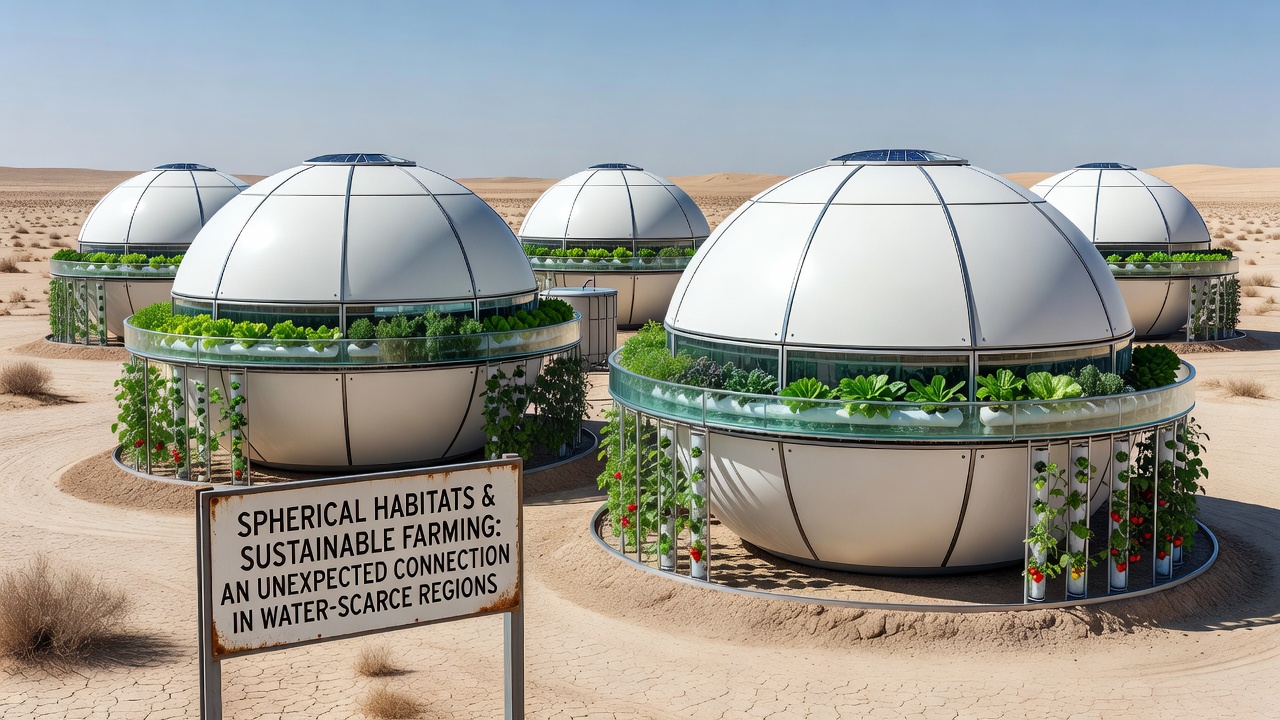
Researchers have documented how spherical living spaces create controlled microclimates that support sustainable farming in regions facing chronic water shortages, and data from multiple arid zones shows measurable reductions in irrigation demands when these structures integrate with agricultural layouts. Studies indicate the geometry of spheres reduces exposed surface area, which limits heat gain and stabilizes internal humidity levels, while the same principles extend to adjacent growing areas where condensation collection systems feed directly into crop cycles.
Geometric Advantages in Resource Management
Engineers note that spherical forms distribute structural loads evenly, allowing thinner materials that still maintain thermal mass, and this efficiency translates into lower energy needs for climate control inside living quarters that double as greenhouse extensions. Observers point out how curved surfaces encourage airflow patterns that minimize stagnant zones, which in turn reduces mold risks and supports year-round planting without additional ventilation equipment. In practice, communities in water-stressed territories have combined these dwellings with hydroponic channels that recycle condensate, cutting external water inputs by significant margins according to field measurements collected over multiple seasons.
Integration with Closed-Loop Agriculture
Projects in several desert-adjacent regions demonstrate how spherical units can anchor aquaponic setups where fish tanks sit beneath living floors and nutrient-rich water flows outward to plant beds arranged in concentric rings. Data from these installations reveal that temperature moderation inside the spheres keeps water at optimal ranges for both fish health and plant uptake, while evaporation losses drop compared with open-field methods. Those who have monitored such systems report that the enclosed geometry helps trap humidity overnight, allowing dew collection surfaces to supplement daily supplies without drawing from strained aquifers.
Regional Examples and Measured Outcomes
One installation near the Australian outback paired spherical residences with vertical growing towers, and records show consistent yields during dry periods when surrounding traditional farms struggled. Figures from the CSIRO water management programs highlight how such designs align with national strategies for arid-zone resilience. Similar efforts in parts of the southwestern United States incorporate spherical modules around shared greenhouse domes, where sensors track moisture retention and confirm lower overall consumption rates. Researchers at institutions across North America and Europe continue to compare these approaches against conventional housing and farming combinations to isolate the contribution of spherical geometry.
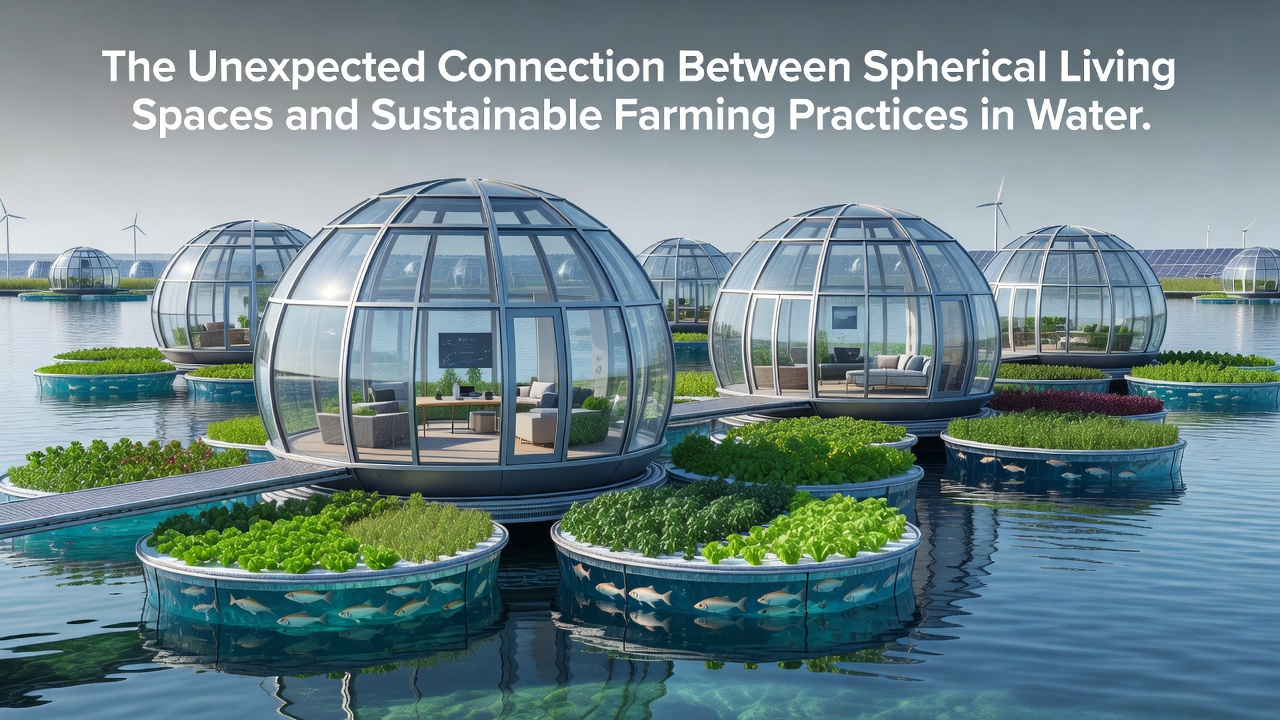
By October 2026, several pilot sites plan to release updated performance metrics that track long-term water savings alongside crop output, building on earlier findings from international agricultural networks. The Food and Agriculture Organization has compiled comparative datasets across continents that include spherical configurations, and those compilations show patterns of reduced groundwater reliance when living and growing functions share enclosed volumes.
Material and Design Adaptations
Builders select translucent panels for spherical frames that allow diffuse light penetration while blocking excess solar radiation, and this choice supports photosynthesis in attached growing zones without supplemental lighting during peak daylight hours. Insulation layers applied to curved walls maintain stable conditions that protect both residents and root systems from extreme diurnal temperature swings common in water-scarce territories. Maintenance crews observe fewer structural failures in spherical designs under wind loads typical of open plains, which means longer intervals between repairs and less material waste over time.
Scaling Considerations for Broader Adoption
Planners examining expansion opportunities note that modular spherical units can link together to form larger clusters, creating shared water recycling loops that serve multiple households and their associated plots. Soil scientists have tested amendments placed around sphere bases that further enhance capillary action, drawing subsurface moisture upward into root zones without mechanical pumping. These adaptations build on existing knowledge of passive water movement and apply it at the scale of individual living-farming units rather than large centralized infrastructure.
Conclusion
Evidence gathered from operational sites continues to map the specific ways spherical living spaces intersect with sustainable farming needs in dry regions, with quantitative records showing improvements in water efficiency and microclimate stability. Ongoing monitoring through 2026 and beyond will supply additional data points that clarify optimal configurations for different climate subtypes and soil conditions.