Henrik Ludwig · 17 September 2026
Spherical Enclosures Enhancing Moisture Retention Methods in Drought-Prone Territories
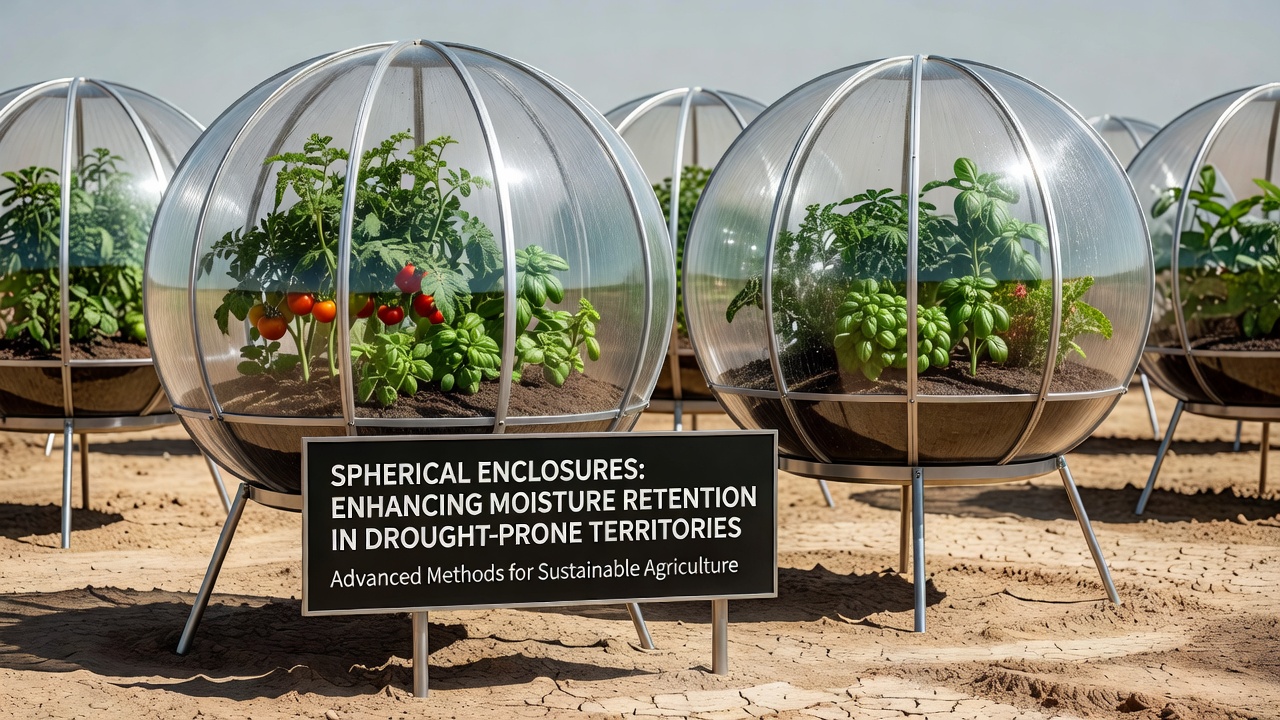
Spherical enclosures have gained attention as structures that create controlled microclimates capable of capturing condensation and limiting evaporation in regions where rainfall remains scarce. These designs use curved surfaces to direct water droplets inward while shielding soil and vegetation from direct sun and wind exposure. Agricultural teams in several continents have tested the approach since the early 2020s, with results tracked through soil sensors and weather stations that record humidity levels inside versus outside the enclosures.
Core Design Principles Behind Spherical Structures
Engineers build these enclosures from lightweight, translucent panels that allow sunlight for photosynthesis yet reduce temperature swings. The geometry promotes airflow patterns that move moist air toward collection points at the base, where channels direct water into storage tanks or directly to root zones. Studies conducted by international research networks show that spherical shapes outperform flat or rectangular covers because they minimize surface area exposed to drying winds while maximizing internal volume for humidity buildup.
Materials typically include UV-stabilized polymers or thin glass composites that resist degradation in high-heat environments. Installation crews anchor the units to the ground with minimal foundation work, which keeps costs lower than traditional greenhouse frames. In practice, a single 6-meter-diameter sphere can cover enough ground to support rows of drought-tolerant crops such as sorghum or millet while maintaining soil moisture 15 to 25 percent higher than adjacent open fields, according to sensor data collected across multiple test sites.
Regional Applications and Recorded Outcomes
Teams working in the Sahel region of West Africa have combined spherical units with existing zai pit techniques, creating hybrid systems that capture both dew and infrequent rains. Data collected through 2025 indicated that enclosed plots required 30 percent less supplemental irrigation during the dry season compared with control plots. Similar projects in parts of central Australia integrated the enclosures with rainwater harvesting basins, allowing communities to store moisture collected overnight for daytime use.
What's interesting is how the approach adapts to different soil types. In sandy areas the spheres help prevent rapid drainage, whereas in clay-heavy soils they reduce surface crusting that blocks infiltration. Government monitoring programs in both the European Union and Canadian prairie provinces have begun including spherical enclosure metrics in their annual drought resilience reports, noting consistent gains in biomass production during extended dry spells.
Integration With Broader Moisture Retention Strategies
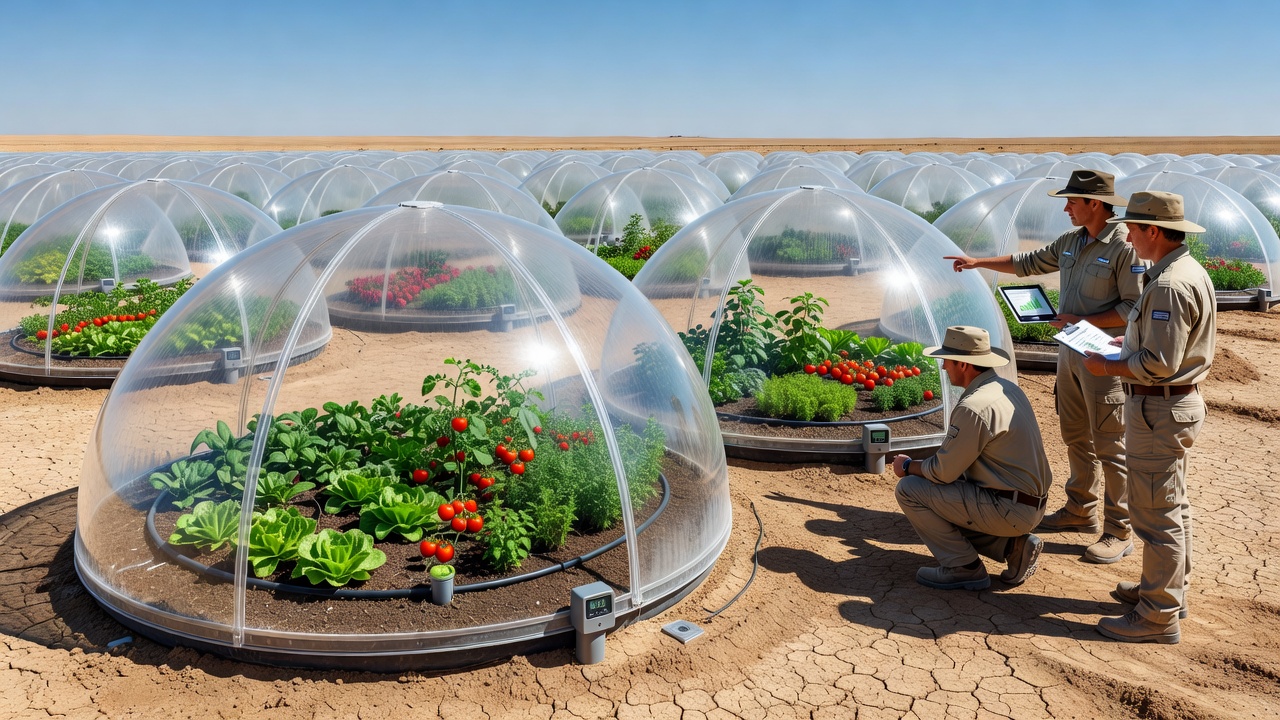
Researchers pair the enclosures with cover crops, mulching layers, and subsurface drip systems to create layered defenses against water loss. The structures themselves act as the primary barrier, while the additional methods handle distribution once water reaches the soil. In September 2026, a joint workshop hosted by the Food and Agriculture Organization and regional agricultural ministries will review five-year datasets from these combined systems, focusing on scalability for smallholder farms.
Turns out the real advantage emerges when enclosures are clustered rather than used in isolation. Groups of spheres create sheltered corridors that further reduce wind speed across larger areas, allowing farmers to expand protected cultivation without building one massive dome. Maintenance involves periodic cleaning of the outer surfaces and inspection of collection channels, tasks that local technicians handle with basic tools after short training sessions.
Data Trends and Measurement Standards
Long-term monitoring relies on standardized protocols developed by agricultural research institutes in South America and southern Africa. These protocols track relative humidity, soil volumetric water content, and evapotranspiration rates at regular intervals. Figures released in mid-2025 revealed that well-maintained spherical units retained an average of 2.8 liters of water per square meter per night through dew collection alone during peak dry periods. That volume adds up across multiple units and contributes meaningfully to crop survival when rains fail for consecutive seasons.
Observers note that success depends on proper site selection and orientation. South-facing placements in the northern hemisphere maximize morning sun while still capturing overnight condensation. Wind modeling software helps planners avoid locations where gusts could stress the frame connections over time.
Conclusion
Spherical enclosures continue to demonstrate measurable improvements in moisture retention across drought-prone territories when combined with established soil and irrigation practices. Ongoing data collection through 2026 will clarify long-term durability and cost recovery timelines for different climates. Agricultural extension services in multiple countries now include training modules on these structures as part of broader water management programs, reflecting their growing role in practical drought response efforts.